
Algunos aspectos conocidos de la historia taína arawak
Un legado de innovación, resiliencia y supervivencia.
La historia del pueblo taíno no terminó en 1492. Continúa hoy a través de sus descendientes, tradiciones y culturas que han perdurado en el Caribe y en todo el mundo.

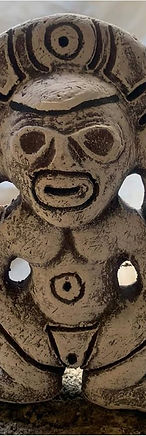


¿Quiénes son los taínos?
Los taínos son un pueblo indígena de habla arawak cuya civilización floreció en todo el Caribe mucho antes del contacto con los europeos. Conocidos por sus avanzadas prácticas agrícolas, su hábil navegación, sus cacicazgos organizados y sus ricas tradiciones espirituales, los taínos contribuyeron a forjar la identidad cultural del Caribe. Su legado perdura hoy a través de sus descendientes, su idioma, sus tradiciones y sus valiosas aportaciones a la sociedad moderna.
Pueblo indígena arawak Los taínos pertenecían a la gran familia lingüística arawak, uno de los grupos culturales indígenas más extendidos de Sudamérica y el Caribe. Su lengua, tradiciones y costumbres los conectaban con una amplia red de comunidades de habla arawak, desarrollando al mismo tiempo una identidad caribeña única. Orígenes geográficos La evidencia arqueológica e histórica indica que los ancestros de los taínos se originaron en las regiones del norte de Sudamérica, particularmente en la cuenca del río Orinoco. A lo largo de muchas generaciones, migraron hacia el norte en canoa, estableciendo comunidades en todo el Caribe. Asentamiento en el Caribe Los taínos finalmente establecieron prósperas comunidades en gran parte de las Antillas Mayores y las islas circundantes, incluyendo el actual Puerto Rico (Borikén), La Española, Cuba, Jamaica, las Bahamas y partes de las Islas Vírgenes. Estas comunidades se interconectaron a través del comercio, los lazos familiares y las tradiciones culturales compartidas. Una civilización floreciente Mucho antes de la llegada de los europeos, los taínos habían desarrollado sociedades sofisticadas con un liderazgo organizado, sistemas agrícolas productivos, extensas redes comerciales, artesanía experta e impresionantes habilidades marítimas. Sus aldeas, conocidas como yucayeques, reflejaban una cultura basada en la cooperación, la sostenibilidad y el respeto por la naturaleza. Un legado perdurable Aunque muchos libros de historia sugirieron en su momento que los taínos desaparecieron tras la colonización europea, la investigación histórica, arqueológica, genealógica y genética ofrece una visión más completa. Hoy en día, los descendientes taínos continúan preservando y celebrando su herencia en todo el Caribe y en la diáspora global. Por qué es importante Comprender quiénes fueron los taínos es esencial para apreciar la rica historia indígena del Caribe. Su historia no es solo del pasado, sino una historia viva que continúa a través de las personas, las tradiciones y las comunidades que honran con orgullo su herencia ancestral en la actualidad.
El mundo taíno antes del contacto europeo.
Mucho antes de la llegada de Cristóbal Colón al Caribe en 1492, los taínos ya habían establecido prósperas comunidades basadas en la cooperación, la innovación y un profundo respeto por la naturaleza. Nuestras sociedades eran y siguen siendo organizadas, prósperas e interconectadas a través del comercio, la agricultura, la gobernanza y las tradiciones culturales compartidas. Lejos de ser aldeas aisladas, las comunidades taínas reflejan una civilización sofisticada que ha servido de modelo para muchas otras comunidades que han florecido durante siglos.
La migración arawak al Caribe
La historia de los taínos comienza miles de años antes de la llegada de los europeos. Guiados por generaciones de hábiles navegantes, los ancestros de los taínos viajaron hacia el norte desde Sudamérica, estableciendo prósperas comunidades en todo el Caribe. Estas migraciones sentaron las bases de una de las civilizaciones indígenas más influyentes de la región.

Orígenes en Sudamérica La evidencia arqueológica y lingüística indica que los ancestros de los taínos se originaron en la región que rodea la cuenca del río Orinoco, en la actual Venezuela, y en zonas vecinas del norte de Sudamérica. A lo largo de muchas generaciones, estas comunidades indígenas expandieron su territorio mediante la exploración, el comercio y el asentamiento. Maestros de la navegación en canoa Mucho antes de la navegación moderna, los pueblos indígenas del Caribe dominaban la navegación en mar abierto utilizando grandes canoas talladas en enormes troncos de árboles. Algunas de estas canoas podían transportar a decenas de personas, además de alimentos, provisiones y mercancías. Su conocimiento de las corrientes oceánicas, los vientos estacionales y la geografía de las islas hizo posible y sostenible el viaje de larga distancia. Asentamiento en las Antillas Mayores A medida que continuaba la migración, las comunidades establecieron asentamientos permanentes en todas las Antillas Mayores, incluyendo Borikén (Puerto Rico), Ayiti/Quisqueya (La Española), Cuba y Xaymaca (Jamaica). Estas islas se convirtieron en centros de agricultura, comercio, gobierno y desarrollo cultural, albergando poblaciones numerosas y organizadas. Expansión por el Caribe Más allá de las Antillas Mayores, las comunidades indígenas también se asentaron en las Bahamas, partes de las Islas Vírgenes y las islas caribeñas vecinas. Estas comunidades mantuvieron un contacto regular a través del comercio, los lazos familiares, las reuniones ceremoniales y el intercambio de conocimientos, creando una red interconectada en toda la región. Un Caribe conectado El Caribe no estaba formado por islas aisladas. Por el contrario, funcionaba como un mundo interconectado donde personas, ideas, tecnología, idiomas y tradiciones circulaban entre las comunidades. Esta red contribuyó a fortalecer las relaciones entre los pueblos indígenas vecinos, permitiendo al mismo tiempo el florecimiento de las culturas regionales. Construyendo una civilización A medida que las comunidades se consolidaban, los taínos desarrollaron aldeas prósperas, sistemas agrícolas productivos, artesanía especializada, liderazgo organizado y vibrantes tradiciones espirituales. Estos logros transformaron el Caribe en una región rica en diversidad cultural e innovación mucho antes del contacto con los europeos. Por qué es importante Comprender la migración de los taínos revela que la historia del Caribe tiene sus raíces en siglos de exploración, innovación y construcción de comunidades indígenas. El movimiento de estos pueblos originarios contribuyó a dar forma a las lenguas, tradiciones y culturas que siguen influyendo en el Caribe hoy en día.
Creencias espirituales y cosmovisión
Para los taínos, la espiritualidad está presente en cada aspecto de la vida cotidiana. Consideran sagrado el mundo natural y entienden que las relaciones entre las personas, los ancestros, la tierra y el reino espiritual están interconectadas. Las ceremonias, los cantos, las danzas y los objetos sagrados reflejaban una cosmovisión centrada en el equilibrio, la gratitud, el respeto y la armonía con la creación.

Gobierno y Liderazgo La sociedad taína se organiza en cacicazgos regionales, cada uno liderado por un cacique (Kasike) que ejercía el liderazgo, mantenía el orden, resolvía disputas y representaba los intereses de la comunidad. El cacique contaba con el apoyo de líderes respetados, consejeros espirituales, guerreros expertos y miembros de la comunidad, quienes desempeñaban un papel fundamental en el mantenimiento de una sociedad equilibrada y cooperativa. Aldeas y Vida Cotidiana Las comunidades taínas, conocidas como yucayeques, eran aldeas cuidadosamente planificadas, diseñadas para facilitar tanto la vida cotidiana como las reuniones comunitarias. Las familias vivían en casas circulares llamadas bohíos, mientras que las estructuras rectangulares más grandes, llamadas caneyes, solían reservarse para el cacique y las funciones comunitarias importantes. En el centro de muchas aldeas se encontraba una plaza ceremonial donde se celebraban reuniones, festividades, competiciones atléticas y ceremonias sagradas que congregaban a la comunidad. Agricultura y Sostenibilidad Los taínos eran agricultores consumados que desarrollaron métodos agrícolas sostenibles muy adecuados al entorno caribeño. Utilizando montículos de siembra elevados conocidos como conucos, cultivan yuca, batatas, maíz, frijoles, pimientos, tabaco, algodón y una variedad de frutas tropicales. Nuestras técnicas agrícolas ayudan a preservar la fertilidad del suelo y a producir fuentes de alimentos confiables para las comunidades en crecimiento. Comercio El comercio desempeñó un papel esencial en la conexión de las comunidades del Caribe. Se intercambiaban entre las islas productos como cerámica, algodón tejido, herramientas de piedra tallada, conchas, plumas, cultivos alimenticios y objetos ornamentales. Estas redes comerciales fortalecieron las relaciones, fomentaron el intercambio cultural y contribuyeron a la difusión de nuevas ideas y tecnologías en toda la región. Artesanos expertos e innovación Los artesanos taínos eran muy respetados por su destreza. Producían hermosos objetos de madera tallada, herramientas de piedra, cerámica, máscaras ceremoniales, textiles de algodón tejido, joyería, canastas y elaborados zemís (cemís), que poseían un significado tanto artístico como espiritual. Su trabajo reflejaba generaciones de conocimiento, creatividad y expresión cultural. Maestros del Mar El mar Caribe servía como una red de rutas que conectaba las comunidades insulares. Utilizando canoas talladas con maestría, los taínos navegaban por mar abierto para comerciar, visitar aldeas vecinas, pescar y participar en ceremonias. Su conocimiento de las mareas, las corrientes, los patrones climáticos y la navegación les permitió viajar con seguridad entre islas mucho antes de la exploración europea. Una sociedad basada en la comunidad El respeto por la familia, la cooperación y la responsabilidad compartida conformaban la base de la sociedad taína. El trabajo, las celebraciones, las ceremonias y la toma de decisiones a menudo involucraban a toda la comunidad. Este enfoque colectivo ayudó a fortalecer los lazos sociales y aseguró que el conocimiento, las tradiciones y los valores culturales se transmitieran de generación en generación. Por qué es importante Comprender cómo vivían los taínos antes del contacto con los europeos nos ayuda a apreciar la riqueza de su civilización. Sus logros en gobierno, agricultura, navegación, artesanía y organización comunitaria demuestran que construyeron sociedades prósperas arraigadas en el conocimiento, la innovación y la protección del medio ambiente. Su legado sigue inspirando a sus descendientes y enriqueciendo el patrimonio cultural del Caribe en la actualidad.
El lenguaje y la influencia duradera
La lengua taína sigue siendo una parte fundamental del patrimonio cultural vivo de muchas comunidades taínas en la actualidad. Gracias a la dedicación de lingüistas, académicos, promotores culturales y organizaciones comunitarias taínas, se ha preservado vocabulario documentado, se han reconstruido fragmentos de la lengua a partir de fuentes históricas e investigaciones lingüísticas comparativas del arawak, y la lengua continúa enseñándose, hablándose e integrándose en la educación cultural y la vida comunitaria. Además, cientos de palabras taínas permanecen entretejidas en inglés, español y otros idiomas, sirviendo como un recordatorio perdurable de los pueblos indígenas que fueron los primeros en dar nombre a las tierras, las plantas, los animales y las tradiciones del Caribe.
Una Lengua Viva La lengua taína es una expresión viva de la herencia indígena caribeña que continúa preservándose, hablándose, enseñándose y celebrándose en muchas comunidades taínas. Gracias a la dedicación de lingüistas, académicos, educadores, ancianos y organizaciones culturales taínas, se ha conservado vocabulario documentado, se han reconstruido cuidadosamente fragmentos de la lengua y las nuevas generaciones aprenden a hablarla y usarla en programas educativos, ceremonias, reuniones culturales y conversaciones cotidianas. A partir de registros históricos, documentación colonial temprana, vocabulario conservado, tradiciones orales e investigación lingüística comparada arawak, los esfuerzos de revitalización actuales siguen fortaleciendo y expandiendo la lengua, honrando al mismo tiempo sus raíces indígenas. Palabras que ya conoces La influencia de la lengua taína se extiende mucho más allá de las comunidades indígenas. Cuando los europeos llegaron por primera vez al Caribe, se encontraron con paisajes, plantas, animales, alimentos y tecnologías desconocidos. En lugar de inventar nombres completamente nuevos, muchos adoptaron las palabras taínas que ya usaban los pueblos indígenas con los que se encontraron. Con el tiempo, estas palabras se extendieron por Europa y América y siguen formando parte del lenguaje cotidiano en todo el mundo. Algunos ejemplos conocidos son: Canoa: Embarcación excavada en un tronco de árbol. Hamaca: Cama colgante tejida, utilizada para descansar y dormir. Huracán: Fuerza poderosa asociada con las tormentas y la naturaleza. Barbacoa: Estructura de madera utilizada tradicionalmente para cocinar o conservar alimentos al fuego. Tabaco: Planta cultivada con fines ceremoniales y tradicionales. Iguana: Reptil nativo del Caribe. Manatí: Mamífero marino dócil que habita en las aguas del Caribe. Guayaba: Fruta tropical originaria de la región. Sabana: Pastizales o llanuras abiertas. Estas son solo algunas de las muchas palabras taínas que siguen conectando a millones de personas con la herencia indígena del Caribe cada día. Nombres de lugares que continúan contando nuestra historia La lengua taína también perdura a través de los nombres de innumerables pueblos, ríos, montañas, cuevas y regiones del Caribe. Estos nombres han perdurado durante siglos, preservando una conexión duradera con los pueblos originarios del Caribe y recordándonos que la historia indígena permanece entretejida en el propio paisaje. Ejemplos: Borikén – Nombre indígena de Puerto Rico. Mayagüez Arecibo Humacao Bayamón Camuy Guánica Jayuya Utuado Maguey En todo el Caribe, cientos de topónimos indígenas siguen honrando la lengua y la herencia del pueblo taíno. La lengua preserva la cultura La lengua es mucho más que un conjunto de palabras: porta la historia, el conocimiento, las creencias y los valores de un pueblo. A través de la lengua taína, comprendemos cómo nuestros ancestros entendían el mundo natural, organizaban sus comunidades, cultivaban sus tierras, navegaban por el Caribe y expresaban sus creencias espirituales. Hoy en día, muchas comunidades taínas siguen preservando este conocimiento enseñando la lengua junto con canciones, relatos, ceremonias, prácticas culturales e historias orales tradicionales, asegurando así que tanto las palabras como la sabiduría que encierran se transmitan de generación en generación. Una lengua que sigue creciendo La revitalización de la lengua taína es un esfuerzo continuo impulsado por la comunidad. En todo el Caribe y en la diáspora, organizaciones taínas, lingüistas, académicos, educadores y promotores culturales siguen preservando el vocabulario documentado, reconstruyendo nuevas partes de la lengua, desarrollando recursos educativos y fomentando su uso en familias y comunidades. A medida que surgen nuevas investigaciones históricas, estudios lingüísticos y aprendizajes colaborativos, la lengua taína se mantiene como una expresión vibrante y en constante evolución de la identidad indígena caribeña. Por qué es importante El idioma es una de las expresiones más poderosas de identidad y continuidad cultural. Cada palabra taína que se habla hoy representa más que vocabulario: representa resiliencia, memoria y el espíritu perdurable de un pueblo cuya historia continúa escribiéndose. Ya sea que se hable durante una reunión cultural, se enseñe en un taller educativo, se comparta en familia o se reconozca en palabras cotidianas como canoa, hamaca, barbacoa y huracán, el idioma taíno continúa conectando el pasado con el presente. Su supervivencia es un poderoso recordatorio de la resiliencia del pueblo taíno y de sus valiosas contribuciones al Caribe y al mundo.
Yúcahu – Espíritu de la Vida y el Sustento Yúcahu era venerado como un poderoso ser espiritual asociado con la yuca, la agricultura, la abundancia y el bienestar del pueblo. Dado que la yuca constituía la base de la dieta taína, Yúcahu simbolizaba la relación vital entre el pueblo y la tierra que los sustentaba. Atabey – Madre de las Aguas y la Creación Atabey es ampliamente reconocida como una de las figuras espirituales femeninas más veneradas en la tradición taína. Está estrechamente asociada con el agua dulce, la fertilidad, la maternidad, la sanación y el origen de la vida. Los ríos, los manantiales, la lluvia y las cualidades nutritivas de la naturaleza reflejaban su presencia perdurable en el mundo natural. Zemís (Cemís) Los zemís, a veces escritos como cemís, eran representaciones sagradas de seres espirituales, ancestros o fuerzas naturales. Se tallaban cuidadosamente en piedra, madera, concha, hueso u otros materiales naturales y servían como importantes objetos ceremoniales. En lugar de ser venerados como ídolos, los Zemís eran considerados conexiones sagradas entre el mundo físico y el espiritual. El papel del Bohíque El Bohíque era el líder espiritual de la comunidad, sanador y guardián del conocimiento tradicional. Los Bohíques realizaban ceremonias, interpretaban sueños, preparaban remedios medicinales con plantas nativas y preservaban las enseñanzas y tradiciones transmitidas de generación en generación. Ancestros y tradición oral Los taínos creían que la sabiduría de las generaciones anteriores seguía guiando a los vivos. Historias, canciones, ceremonias y tradiciones familiares preservaban la historia del pueblo, honrando a quienes los precedieron. Esta sólida tradición oral contribuyó a que el conocimiento cultural perdurara a través de las generaciones. Areítos: Ceremonias a través del canto y la danza Los areítos se encontraban entre las expresiones más importantes de la cultura taína. Estas reuniones ceremoniales unían a las comunidades mediante la música, la narración de cuentos, la danza y la celebración. Conmemoraban eventos históricos, honraban a sus ancestros, celebraban hitos importantes y fortalecían los lazos entre familias y comunidades vecinas. Vivir en armonía con la naturaleza Los taínos consideraban el mundo natural como algo digno de respeto, no de dominio. Los bosques, ríos, montañas, cuevas, océanos y la vida silvestre eran valorados no solo por su importancia práctica, sino también por su significado espiritual. Esta filosofía fomentaba la gestión responsable del medio ambiente y reconocía la interconexión de todos los seres vivos. Por qué es importante La espiritualidad taína nos recuerda que la cultura va más allá de ceremonias o creencias: se trata de los valores que dan forma a la manera en que las personas viven, se cuidan mutuamente e interactúan con el mundo que las rodea. El respeto por la naturaleza, la comunidad, la familia y el conocimiento ancestral sigue inspirando a muchos descendientes hoy en día y permanece como parte perdurable del legado cultural taíno.
Primer contacto con Europa
La llegada de Cristóbal Colón al Caribe en 1492 marcó uno de los puntos de inflexión más importantes de la historia mundial. Para el pueblo taíno, fue el primer encuentro prolongado con los europeos, un acontecimiento que transformaría radicalmente nuestras sociedades, culturas y modo de vida. Lo que comenzó como un intercambio entre dos mundos se convirtió rápidamente en un período de colonización, conflicto y profundos cambios: una mentira histórica que muchas escuelas siguen enseñando e incluso algunos altos funcionarios gubernamentales perpetúan.
El viaje de 1492 El 12 de octubre de 1492, Cristóbal Colón llegó al Caribe durante su primer viaje a través del océano Atlántico, bajo el patrocinio de la Corona española. Creyendo haber llegado a islas cercanas a Asia, Colón se encontró con comunidades indígenas que habían vivido y prosperado en el Caribe durante generaciones. Los primeros encuentros Los relatos históricos describen las primeras interacciones entre los taínos y los españoles como generalmente pacíficas. Los taínos recibieron a los recién llegados con comida, agua, algodón y regalos, reflejando tradiciones culturales de hospitalidad y generosidad. Al mismo tiempo, ambos grupos buscaron comprenderse mutuamente a pesar de las diferencias de idioma, costumbres y cosmovisión. Dos mundos se encuentran El encuentro entre taínos y europeos reunió a sociedades con creencias, tecnologías, sistemas políticos y objetivos económicos muy diferentes. Mientras que los taínos valoraban la comunidad, la reciprocidad y la armonía con la naturaleza, las expediciones españolas estaban impulsadas por la exploración, la expansión territorial y la búsqueda de riquezas. Estas prioridades divergentes pronto provocarían crecientes tensiones y conflictos. El inicio de la colonización A medida que los asentamientos españoles se expandían por el Caribe, las tierras y los recursos indígenas se convirtieron en un elemento central de las ambiciones coloniales. Se establecieron asentamientos permanentes, fuertes y administraciones coloniales, alterando radicalmente el panorama político, cultural y social de las islas. El sistema de encomienda Uno de los cambios más significativos introducidos durante el inicio del período colonial fue el sistema de encomienda. Bajo este sistema, muchos indígenas se vieron obligados a trabajar y pagar tributo a los colonizadores españoles. Las exigencias del trabajo forzado, sumadas a las duras condiciones de vida, perturbaron la vida comunitaria tradicional y ejercieron una enorme presión sobre las poblaciones taínas. Enfermedades y declive demográfico El contacto con los europeos también introdujo enfermedades infecciosas como la viruela, la gripe y el sarampión, enfermedades para las que las poblaciones indígenas no tenían inmunidad previa. Junto con la guerra, el trabajo forzado y la desorganización social, estas epidemias contribuyeron a un drástico declive de la población indígena durante los primeros años de la época colonial. Una historia de supervivencia Si bien la llegada de los europeos trajo consigo inmensas dificultades, no significó el fin del pueblo taíno. Muchos individuos y familias sobrevivieron mediante la adaptación, la migración, la resistencia y los matrimonios mixtos. Sus descendientes continuaron preservando elementos de su identidad, tradiciones y patrimonio cultural, sentando las bases de las vibrantes comunidades indígenas y sus descendientes que hoy honran ese legado. Por qué es importante Comprender el primer contacto nos ayuda a apreciar tanto los logros de la civilización taína antes de la llegada de los europeos como los profundos cambios que siguieron. Nos recuerda que la historia se forja a través de los encuentros humanos —algunos marcados por la cooperación, otros por el conflicto— y que la resiliencia de los pueblos indígenas sigue siendo una parte perdurable de la historia del Caribe.


Resistencia y supervivencia
La historia del pueblo taíno no es solo un relato de primer contacto y colonización, sino también una historia de valentía, resiliencia y determinación. En todo el Caribe, los líderes indígenas y sus comunidades resistieron la pérdida de sus tierras, su libertad y su forma de vida. A pesar de los enormes desafíos, el espíritu taíno perduró y sigue vivo a través de sus descendientes y su legado cultural.
Defendiendo a su pueblo A medida que la colonización española se expandía por el Caribe, muchos líderes taínos optaron por defender a sus comunidades. Si bien cada cacicazgo respondió de manera diferente, muchos trabajaron para proteger a sus familias, preservar sus tradiciones y mantener su independencia. Su liderazgo reflejó un profundo compromiso con el bienestar de su pueblo durante uno de los periodos más difíciles de la historia caribeña. Caonabó Kasike Caonabó fue uno de los primeros y más reconocidos líderes en oponerse a la expansión española en la isla de La Española. Conocido por su valentía y determinación, se convirtió en un símbolo de la resistencia indígena. Aunque finalmente fue capturado por los españoles, su liderazgo sigue siendo una de las historias más representativas de la resiliencia taína. Anacaona Kasika Anacaona es recordada como una respetada líder, diplomática, poetisa y figura cultural. Tras la muerte de su esposo, Kasike Caonabó, continuó guiando a su pueblo con sabiduría y diplomacia, buscando relaciones pacíficas siempre que fue posible. Su trágica ejecución a manos de las autoridades españolas se ha convertido en un símbolo de la fortaleza y el sacrificio del liderazgo indígena. Hatuey Originario de La Española, Kasike Hatuey huyó a Cuba tras presenciar los efectos de la colonización española. Allí, advirtió a las comunidades vecinas sobre los peligros que enfrentaban y organizó la resistencia contra las fuerzas españolas. Hoy, Hatuey es ampliamente reconocido en todo el Caribe como uno de los primeros símbolos de la resistencia indígena y la defensa de la libertad. Agüeybaná II Conocido como "El Valiente", Kasike Agüeybaná II se convirtió en uno de los principales líderes de la resistencia indígena en Borikén (Puerto Rico). Su liderazgo unió a diversas comunidades en un esfuerzo por defender su tierra natal durante los primeros años de la colonización española. Su valentía sigue siendo honrada como un capítulo importante en la historia puertorriqueña y taína. Guarionex Kasike Guarionex inicialmente buscó la diplomacia y la cooperación, pero posteriormente se involucró en la resistencia organizada a medida que se intensificaban las presiones coloniales. Su historia refleja las difíciles decisiones que muchos líderes indígenas enfrentaron al intentar proteger a sus comunidades mientras navegaban por circunstancias que cambiaban rápidamente. Enriquillo Uno de los líderes de la resistencia indígena más exitosos fue Enriquillo, quien encabezó un prolongado movimiento de resistencia desde las montañas de La Española a principios del siglo XVI. Su liderazgo culminó en uno de los primeros acuerdos de paz negociados entre los pueblos indígenas y la Corona española, demostrando determinación y habilidad en la dirección. Supervivencia más allá de la resistencia La resistencia no siempre se libró en el campo de batalla. Muchas familias taínas preservaron su identidad protegiendo sus tradiciones, manteniendo sus comunidades, transmitiendo historias oralmente, adaptándose a las circunstancias cambiantes y construyendo nuevas vidas a través de redes familiares en todo el Caribe. Su resiliencia aseguró la continuidad del legado taíno a pesar de siglos de adversidades. Un legado que perdura Hoy, los nombres de estos líderes siguen inspirando a comunidades indígenas, educadores, historiadores y descendientes en todo el Caribe y más allá. Su valentía nos recuerda que la historia taína no se define únicamente por la pérdida, sino también por la perseverancia, la resiliencia y la fuerza perdurable de un pueblo cuyo legado continúa hasta el presente. Por qué es importante La historia de la resistencia nos ayuda a comprender que los taínos participaron activamente en la construcción de su propia historia. Sus líderes tomaron decisiones difíciles, defendieron a sus comunidades, buscaron la paz cuando fue posible y lucharon por preservar su cultura e identidad. Su legado nos recuerda con fuerza que la resiliencia no solo se mide por la supervivencia, sino también por la capacidad de preservar el patrimonio cultural para las generaciones futuras.
El legado taíno en la actualidad
La historia del pueblo taíno no terminó hace siglos. Hoy, su legado, cultura y patrimonio perduran a través de descendientes, educadores, artistas, promotores culturales, historiadores y comunidades dedicadas a preservar y compartir la herencia indígena caribeña. En todo el Caribe, la diáspora y Estados Unidos, la gente trabaja en conjunto para asegurar que la historia, las tradiciones y las contribuciones del pueblo taíno sean recordadas, respetadas y transmitidas a las generaciones futuras. Actualmente, varios estados han ratificado resoluciones y proclamaciones del pueblo indígena taíno.
Preservación del Patrimonio Cultural En todo el Caribe y más allá, individuos y organizaciones preservan el patrimonio taíno mediante la educación cultural, la investigación histórica, la narración de cuentos, las artes tradicionales, la música, la danza y los eventos comunitarios. Estos esfuerzos contribuyen a garantizar que el conocimiento indígena siga siendo accesible y relevante para las generaciones futuras. Educación para las Generaciones Futuras Escuelas, museos, universidades, sociedades históricas y organizaciones comunitarias están ampliando las oportunidades educativas que exploran la historia y las contribuciones del pueblo taíno. A través de libros, conferencias, exposiciones, documentales y recursos digitales, cada vez más personas descubren el impacto perdurable de las civilizaciones indígenas del Caribe. Revitalización de la Lengua y las Tradiciones Aunque gran parte de la lengua taína original se ha perdido con el tiempo, educadores e investigadores continúan estudiando el vocabulario, los topónimos y los registros históricos que aún se conservan. Las artesanías tradicionales, las prácticas ceremoniales, la música, la danza y el conocimiento agrícola también se preservan y comparten como expresiones significativas del patrimonio cultural taíno. Protegiendo Lugares Sagrados Sitios arqueológicos, cuevas, plazas ceremoniales, petroglifos, artefactos y otros lugares de importancia cultural ayudan a contar la historia del pueblo taíno. Los esfuerzos de preservación de museos, gobiernos, investigadores y comunidades locales desempeñan un papel fundamental en la protección de estas conexiones irremplazables con el pasado. Una Comunidad Global Hoy en día, personas con ascendencia taína y quienes valoran la historia indígena caribeña se encuentran en todo el mundo. Desde Puerto Rico, la República Dominicana, Cuba, Haití, Jamaica y las Islas Vírgenes hasta comunidades en todo Estados Unidos y más allá, las personas continúan celebrando su herencia mientras construyen nuevas conexiones entre generaciones y culturas. Honrando a través del Servicio Preservar la historia implica más que recordar el pasado: requiere acción. Voluntarios, educadores, historiadores, artistas y líderes comunitarios siguen invirtiendo su tiempo y talento en proyectos que promueven la educación, la conciencia cultural, la preservación histórica y la participación comunitaria. El Papel de T.A.I.N.O. La Organización Nacional Indígena Taíno Americana (T.A.I.N.O.) se fundó con la convicción de que la educación es una de las herramientas más poderosas para preservar la historia. A través de programas educativos, divulgación pública, iniciativas culturales, investigación histórica, alianzas, participación juvenil y defensa de sus derechos, T.A.I.N.O. trabaja para garantizar que la historia y las contribuciones del pueblo arawak taíno sigan siendo reconocidas y valoradas por las futuras generaciones. Por qué es importante El legado taíno es más que un capítulo de la historia: es una historia viva que perdura a través de las personas, las familias, las tradiciones y las comunidades. Al preservar este patrimonio hoy, honramos la resiliencia de nuestros ancestros e inspiramos a las futuras generaciones a aprender del pasado y construir un futuro más informado e inclusivo.
Nuestro compromiso con la educación y la preservación
Comprender la historia es solo el comienzo. Preservarla, compartirla y transmitirla a las futuras generaciones requiere dedicación constante y participación comunitaria. En la Organización Nacional Indígena Taínoamericana (TAINO), creemos que la educación es una de las maneras más poderosas de honrar el legado del pueblo arawak taíno, a la vez que fomentamos una mayor apreciación por la historia y la cultura indígenas del Caribe.
Quiénes somos La Organización Nacional Indígena Taíno-Americana (T.A.I.N.O.) es una organización educativa sin fines de lucro dedicada a preservar, promover y compartir la historia, la cultura y el legado perdurable del pueblo arawak taíno. Mediante la participación comunitaria, programas educativos, investigación histórica e iniciativas culturales, nos esforzamos por garantizar que este rico patrimonio siga siendo accesible para las generaciones presentes y futuras. Nuestra misión Nuestra misión es educar, inspirar y empoderar a las personas promoviendo una mayor conciencia sobre el pueblo arawak taíno y sus valiosas contribuciones al Caribe y al mundo. Buscamos preservar el conocimiento histórico, celebrar las tradiciones culturales, fomentar el diálogo respetuoso y apoyar oportunidades educativas significativas para personas de todos los orígenes. Qué hacemos T.A.I.N.O. T.A.I.N.O. lleva a cabo su misión a través de diversas iniciativas educativas y comunitarias, entre las que se incluyen: Presentaciones y talleres educativos Exposiciones culturales y eventos públicos Investigación histórica y desarrollo de recursos Extensión comunitaria y alianzas Iniciativas de educación juvenil Recursos de aprendizaje digital Campañas de sensibilización pública Promoción del reconocimiento histórico y la preservación cultural Cada iniciativa está diseñada para promover la comprensión, fomentar el aprendizaje permanente y fortalecer la apreciación del patrimonio indígena caribeño. Creación de alianzas Creemos que preservar la historia es una responsabilidad compartida. T.A.I.N.O. colabora con educadores, historiadores, museos, bibliotecas, instituciones culturales, organizaciones sin fines de lucro, líderes comunitarios y socios gubernamentales para ampliar las oportunidades educativas y apoyar los esfuerzos de preservación histórica. Juntos, estas alianzas ayudan a garantizar que las voces e historias indígenas sigan siendo una parte importante de nuestra comprensión colectiva del pasado. Educación para Todos Nuestros programas están diseñados para un público diverso, que incluye: Estudiantes Docentes Familias Investigadores Organizaciones culturales Museos Bibliotecas Grupos comunitarios Agencias gubernamentales Cualquier persona interesada en aprender más sobre la historia indígena del Caribe Creemos que la educación es más significativa cuando es accesible, inclusiva y se basa en el respeto por la evidencia histórica y las tradiciones culturales. Mirando hacia el futuro A medida que crece el interés por la historia indígena del Caribe, T.A.I.N.O. mantiene su compromiso de ampliar los recursos educativos, fortalecer las alianzas, apoyar la preservación histórica y crear oportunidades para que las futuras generaciones aprendan sobre el extraordinario legado del pueblo arawak taíno. Cada programa educativo, alianza comunitaria, esfuerzo voluntario y conversación contribuye a perpetuar ese legado. Por qué es importante La historia moldea la identidad, y la educación garantiza que la historia no se olvide. Al preservar las historias, tradiciones y contribuciones del pueblo arawak taíno, ayudamos a construir un futuro donde la historia indígena caribeña sea reconocida como parte esencial de nuestra historia humana compartida. Participa Ya sea que estés explorando tu historia familiar, buscando recursos educativos, apoyando la preservación cultural o simplemente interesado en aprender más, hay muchas maneras de formar parte de esta importante labor. Puedes: Hacerte miembro Ofrecer tu tiempo como voluntario Asistir a programas educativos Apoyar nuestra misión Colaborar con nosotros Compartir nuestros recursos educativos Ayudar a preservar la historia indígena caribeña Juntos, podemos asegurar que el legado del pueblo arawak taíno continúe educando, inspirando y uniendo a las generaciones venideras.
El mito de la extinción
Durante generaciones, muchos libros de historia enseñaron que el pueblo taíno se extinguió poco después de la colonización europea. Esta narrativa errónea ha comenzado a cambiar. Hoy en día, historiadores, arqueólogos, genealogistas, lingüistas e investigadores genéticos presentan una visión más completa, que reconoce los efectos devastadores de la colonización, al tiempo que valora la supervivencia, la adaptación y el legado perdurable de los descendientes taínos en todo el Caribe y más allá.
Comprender la narrativa de la extinción Tras la colonización europea, la población indígena del Caribe sufrió pérdidas catastróficas debido a enfermedades, guerras, trabajos forzados, desplazamientos y desintegración social. Debido a esta drástica disminución de la población y a la alteración de los registros coloniales, muchos historiadores de la época concluyeron que el pueblo taíno había desaparecido por completo. Esta interpretación se mantuvo ampliamente aceptada durante siglos. Una comprensión histórica más completa La investigación moderna ha ampliado nuestra comprensión de la historia indígena. Los investigadores reconocen ahora que, si bien muchas comunidades taínas sufrieron pérdidas tremendas, muchos individuos y familias sobrevivieron adaptándose a las condiciones cambiantes, reubicándose, mezclándose con otras poblaciones y preservando elementos de su identidad cultural a lo largo de las generaciones. La evidencia sigue creciendo Hoy en día, los investigadores recurren a diversos campos de estudio para comprender mejor la historia y la continuidad taína, entre ellos: Arqueología Documentos históricos Registros genealógicos Lingüística comparada Genética de poblaciones Antropología cultural En conjunto, estas disciplinas ofrecen una comprensión más amplia de la perdurable presencia e influencia de los descendientes taínos en todo el Caribe. La cultura nunca desapareció por completo Muchas tradiciones culturales asociadas con los taínos perduraron mucho después del asentamiento europeo. Las prácticas agrícolas, la alimentación, la toponimia, el conocimiento medicinal, la artesanía, la música, el idioma, las tradiciones familiares y las historias orales siguieron formando parte de la vida caribeña, incluso a medida que las sociedades evolucionaban con el tiempo. Estas continuidades culturales reflejan la influencia duradera de los pueblos indígenas en toda la región. Descendientes alrededor del mundo Hoy, miles de personas y familias en Puerto Rico, República Dominicana, Cuba, Jamaica, Haití, las Islas Vírgenes, Bahamas, Trinidad, Estados Unidos continental y otras partes del mundo reconocen y exploran con orgullo su ascendencia taína. Sus trayectorias son diversas, moldeadas por historias familiares, registros históricos, tradiciones culturales y participación comunitaria. La identidad es más que ADN Si bien la investigación genética ha aportado valiosas perspectivas sobre la historia del Caribe, la identidad indígena no se determina únicamente mediante pruebas de ADN. La historia familiar, la ascendencia documentada, la participación cultural, las conexiones comunitarias, las tradiciones orales y la investigación histórica contribuyen a la manera en que las personas comprenden y honran su herencia indígena. La trayectoria de cada persona es única y merece una profunda reflexión. Continuando el legado En todo el Caribe y su diáspora, organizaciones indígenas, educadores, promotores culturales, historiadores y líderes comunitarios trabajan para preservar la historia taína para las generaciones futuras. Mediante la educación, la revitalización del idioma, las artes tradicionales, la investigación, los eventos públicos, los museos y la participación comunitaria, continúan celebrando y fortaleciendo el legado perdurable del pueblo taíno. Por qué es importante Comprender la historia taína implica reconocer tanto las devastadoras consecuencias de la colonización como la extraordinaria resiliencia de los pueblos indígenas. La historia no terminó en el siglo XVI. Continúa hoy a través de descendientes, familias, comunidades, educadores, investigadores y organizaciones dedicadas a preservar y compartir este rico patrimonio cultural.

La familia de naciones arawak
¿Qué significa "Arawakan"?
El término arawak se refiere a una de las familias lingüísticas indígenas más grandes de América. Hoy en día, representa más que una clasificación lingüística: refleja una red viva de pueblos indígenas cuyas culturas, tradiciones y conocimientos ancestrales se conservan en toda Sudamérica, el Caribe y su diáspora global.
Si bien cada nación tiene su propia identidad, historia y forma de gobierno, su herencia lingüística compartida proporciona un vínculo importante con un pasado ancestral común, al tiempo que celebra la diversidad que existe entre las comunidades indígenas actuales.
The Taíno Within the Arawakan Family The Arawak Taíno people are one of the Indigenous nations whose language and heritage belong to the broader Arawakan family. For countless generations, the Taíno developed a vibrant Caribbean civilization while maintaining linguistic and cultural connections shared with other Arawakan-speaking peoples. Today, Taíno descendants continue to preserve and celebrate their heritage through language revitalization, cultural education, ceremonies, traditional arts, historical research, community gatherings, and the passing of ancestral knowledge from one generation to the next. Taino are a sub-group of a much larger Arawak-speaking family The Arawakan family includes many Indigenous peoples who continue to preserve their cultures and identities today. Among them are: Lokono (Arawak) – Indigenous communities throughout Guyana, Suriname, French Guiana, and Venezuela who continue to preserve their language, traditions, and cultural heritage. Garifuna – A vibrant Indigenous Afro-descendant people whose language, music, dance, spirituality, and cultural traditions continue to flourish throughout Central America, the Caribbean, and the global diaspora. Wayuu – One of the largest Indigenous nations in South America, whose language, traditional governance, weaving, ceremonies, and cultural practices remain central to daily life across Colombia and Venezuela. Añú (Paraujano) – Indigenous communities of northwestern Venezuela who continue to preserve aspects of their cultural heritage and ancestral identity. Kalinago (Island Caribs)-Indigenous Caribbean people of primarily Arawakan and Cariban heritage, historically known for their resilience, maritime skill, and enduring cultural presence in Dominica and across the Lesser Antilles. Many other Arawakan-speaking peoples throughout South America whose languages, customs, and traditions remain an important part of the region's Indigenous heritage. (i.e., Igneri, Wapishana, Baniwa, Asháninka, and Yanesha' (Amuesha). Each nation continues to contribute its own unique voice, history, and cultural traditions while honoring its ancestral roots. Shared Cultural Connections Although each Indigenous nation possesses its own distinct identity, many continue to share cultural traditions and values that reflect their broader Arawakan heritage. These enduring connections include: Indigenous languages that continue to be preserved and spoken. Traditional canoe building and navigation. Agricultural knowledge rooted in sustainable living. Strong family and community-centered leadership. Respect for nature and environmental stewardship. Oral traditions passed from elders to younger generations. Traditional craftsmanship, weaving, carving, and artistry. Spiritual beliefs that honor the interconnectedness of people, ancestors, and the natural world. Many of these traditions remain visible today through community gatherings, educational programs, ceremonies, festivals, artistic expression, and cultural preservation efforts led by Indigenous peoples themselves. Unity Through Diversity Sharing a common linguistic ancestry does not mean that all Arawakan peoples are the same. Each Indigenous nation possesses its own language, governance, customs, ceremonies, history, and cultural identity. Just as branches of the same family grow in different directions while remaining connected by shared roots, the diverse Arawakan peoples continue to honor their own unique traditions while recognizing their place within one of the oldest and most widespread Indigenous language families in the Americas. This diversity is a source of strength and reflects the remarkable resilience of Indigenous peoples across generations. Why This Matters Understanding the broader Arawakan family reminds us that Indigenous cultures are not confined to history books. They are living cultures, sustained by communities that continue to preserve their languages, ceremonies, arts, traditions, and ancestral knowledge. Recognizing these enduring connections allows us to better appreciate the rich diversity of Indigenous America while honoring the unique identity of the Arawak Taíno people as an integral part of this larger family of nations. The T.A.I.N.O. Perspective At T.A.I.N.O., we recognize and celebrate the Arawak Taíno people as part of a living family of Indigenous nations whose cultures continue to enrich the Americas today. We believe that education, collaboration, and mutual respect strengthen not only our own community but also the relationships we share with fellow Indigenous peoples who continue to preserve their languages, histories, traditions, and cultural identities. We celebrate our shared ancestral connections while honoring the unique identity, sovereignty, customs, and traditions of every Indigenous nation. Through education and partnership, we remain committed to promoting greater understanding of the living legacy of the Arawakan-speaking peoples and the enduring contributions they continue to make to our world.
Continúa el viaje
La historia del pueblo arawak taíno es más que un relato del pasado: es un legado vivo que sigue influyendo en familias, comunidades y culturas de todo el Caribe y del mundo. Cada generación tiene la responsabilidad de preservar el conocimiento, las tradiciones y las voces que han perdurado a través de siglos de cambios.
Ya sea que estés descubriendo esta historia por primera vez, explorando tus raíces familiares, realizando una investigación o simplemente buscando aprender más, tu interés ayuda a garantizar que este extraordinario patrimonio siga siendo recordado, respetado y compartido.
El aprendizaje nunca termina La historia se enriquece continuamente con nuevos descubrimientos, investigaciones arqueológicas, estudios históricos y la transmisión de historias familiares y tradiciones culturales. Invitamos a todos los visitantes a seguir explorando, haciendo preguntas y buscando una comprensión más profunda de la historia indígena del Caribe. Conviértete en un guardián de la historia Preservar la historia no es responsabilidad de una sola persona ni de una sola organización; nos pertenece a todos. Cada conversación, presentación en el aula, visita a un museo, labor de voluntariado e historia compartida ayuda a proteger el legado de quienes nos precedieron. Al apoyar la educación y la preservación histórica, formas parte de un esfuerzo mayor para asegurar que las futuras generaciones hereden una comprensión precisa y significativa del pueblo arawak taíno. Cómo puedes marcar la diferencia Puedes ayudar a preservar y promover la historia indígena del Caribe de las siguientes maneras: Aprendiendo y compartiendo información histórica precisa. Apoyando iniciativas educativas y culturales. Asistiendo a eventos comunitarios y programas culturales. Fomentando la preservación histórica en tu comunidad. Ofreciendo tu tiempo y talento como voluntario. Hazte miembro o colaborador de T.A.I.N.O. Comparte nuestros recursos educativos con otros. Inspira a las futuras generaciones a valorar la historia indígena. Cada contribución, grande o pequeña, ayuda a fortalecer el legado del pueblo arawak taíno. Mantente conectado La educación es un camino continuo, y te invitamos a mantenerte conectado con nosotros mientras seguimos desarrollando nuevos recursos educativos, programas comunitarios, eventos culturales, iniciativas de investigación y oportunidades de participación. Síguenos en redes sociales, suscríbete a nuestro boletín informativo, asiste a nuestros eventos y forma parte de una comunidad en crecimiento dedicada a preservar una de las culturas indígenas más antiguas y perdurables del Caribe. Nuestra promesa En T.A.I.N.O., mantenemos nuestro compromiso de presentar la historia con integridad, respeto y dedicación al aprendizaje permanente. Reconocemos que la comprensión histórica continúa evolucionando a medida que surgen nuevas investigaciones, y damos la bienvenida al diálogo reflexivo, la colaboración y el aprendizaje compartido en la búsqueda de una comprensión más completa del pueblo arawak taíno y su legado perdurable. Un mensaje de T.A.I.N.O. "El legado de un pueblo no se mide únicamente por las páginas de la historia escritas sobre él, sino por las generaciones que continúan preservando sus historias, honrando a sus ancestros y compartiendo su cultura con el mundo. El pueblo arawak taíno no es solo un capítulo de la historia; es una parte perdurable del pasado, presente y futuro del Caribe." Aún estamos aquí. Ayer, construimos civilizaciones. Hoy, preservamos su legado. Mañana, juntos, aseguraremos que su historia jamás sea olvidada. Visita • Aprende • Preserva • Inspira Descubre más sobre T.A.I.N.O. Conoce nuestra misión Hazte miembro Apoya nuestros programas educativos Asiste a un próximo evento Sé voluntario Suscríbete a nuestro boletín Síguenos en redes sociales
Taíno en Florida
Hernando de Escalante Fontaneda, de trece años, fue un superviviente documentado de un naufragio en los Cayos de Florida en la década de 1550, donde se encontró con indígenas cubanos que vivían en un asentamiento en Florida. Este es un relato documentado sobre la presencia taína en Florida. Cita lo siguiente:
Antiguamente, muchos indígenas de Cuba llegaron a los puertos de la provincia de Carlos en busca de ella; y el padre del rey Carlos, llamado Senquene, los detuvo y los estableció, cuyos descendientes permanecen hasta el día de hoy. Y los mismos objetivos que aquellos que abandonaron su país buscaban en el río Jordán, los reyes y caciques de Florida, aunque salvajes, se informaron y buscaron, como si fueran un pueblo más civilizado, para ver qué río podría ser aquel que obraba tan bien, incluso rejuveneciendo a ancianos y ancianas. Se entregaron con tal ahínco a la búsqueda, que no quedó río ni arroyo en toda Florida, ni siquiera lagos y estanques, en los que no se bañaran; y hasta el día de hoy persisten en buscar esa agua, sin saciarse jamás. Para cumplir las promesas de su fe, los cubanos decidieron, como tal era su voto, arriesgar sus vidas en ese mar; y esto culminó con la formación de un grupo de personas que se unieron a Carlos. asentamiento: En sus memorias se encuentra mucha información sobre las naciones tribales de Florida. El siguiente enlace lleva a la traducción completa. https://earlyfloridalit.net/fontaneda-memoir Más sobre él: https://en.wikipedia.org/wiki/Hernando_de_Escalante_Fontaneda
Este mapa muestra los países de las islas del Caribe que se sabe que habitaron los taínos de Awarak.
